• Microsoft has acknowledged a significant authentication problem affecting users of recent Windows versions, stemming from security enhancements in updates released since late August 2025.

    The company detailed how these updates are triggering Kerberos and NTLM failures on devices sharing identical Security Identifiers (SIDs), leading to widespread login disruptions across enterprise networks.

    This issue, now officially documented, highlights the trade-offs between bolstering security and maintaining compatibility in cloned or duplicated systems.​

    Windows Operating Systems Affected

    Affected users on Windows 11 version 24H2, version 25H2, and Windows Server 2025 report a range of frustrating symptoms following the installation of updates like KB5064081 on August 29, 2025, and KB5065426 on September 9, 2025.

    Common issues include repeated credential prompts despite entering valid information, with error messages such as “Login attempt failed,” “Your credentials didn’t work,” or “There is a partial mismatch in the machine ID.”

    Network access breaks down as well, preventing connections to shared folders via IP or hostname and blocking Remote Desktop Protocol (RDP) sessions, even those routed through Privileged Access Management (PAM) tools or third-party software.

    Failover Clustering operations halt with “access denied” errors, complicating high-availability setups in data centers. Event Viewer logs reveal critical clues, including SEC_E_NO_CREDENTIALS in the Security log and Local Security Authority Server Service (lsasrv.dll) Event ID 6167 in the System log, signaling a machine ID mismatch that suggests ticket manipulation or session discrepancies.

    These problems have surfaced prominently in virtual desktop infrastructure (VDI) environments, such as those using Citrix MCS, where multiple machines derived from the same image share SIDs, exacerbating authentication breakdowns during RDP or file sharing.​

    At the heart of this disruption lies a deliberate security upgrade in the updates, which now rigorously verifies SIDs during authentication handshakes to prevent unauthorized access.

    Microsoft explains that duplicate SIDs, often resulting from improper cloning of Windows installations without the Sysprep tool, are no longer tolerated under this new regime.

    Sysprep ensures SID uniqueness, a requirement Microsoft has long recommended for duplicating OS images, but the August updates enforce it more stringently, blocking interactions between affected devices.

    This change aligns with Microsoft’s policy against unsupported disk duplication methods, which can propagate identical SIDs across networks, posing risks in enterprise settings.

    While intended to enhance protection against potential exploits, the enforcement has caught many IT teams off guard, particularly in scenarios involving rapid VM deployments or legacy imaging practices.​

    For immediate relief, IT administrators can deploy a specialized Group Policy to mitigate the authentication blocks, though this requires contacting Microsoft Support for business to obtain it.

    However, Microsoft suggests that the definitive solution involves rebuilding impacted devices using approved cloning procedures that incorporate Sysprep, ensuring each system generates a unique SID.

    Organizations relying on tools like VMware or Citrix for VDI provisioning may need to revise their workflows to comply, potentially delaying updates until imaging processes are updated.

    As of October 21, 2025, no broader patch has been rolled out, but Microsoft continues monitoring reports from affected users. ​

    Follow us on Google News, LinkedIn, and X for daily cybersecurity updates. Contact us to feature your stories.

    The post Microsoft Confirms Recent Updates Cause Login Issues on Windows 11 24H2, 25H2, and Windows Server 2025 appeared first on Cyber Security News.
    ¶¶¶¶¶

    ¶¶¶¶¶

    ¶¶¶¶¶

    ¶¶¶¶¶

    ¶¶¶¶¶

  • Meta announced innovative tools on Tuesday to shield users of Messenger and WhatsApp from scammers. The updates, revealed during Cybersecurity Awareness Month, aim to detect suspicious activity in real-time and empower users with better account protections.

    This comes as scammers increasingly target vulnerable groups, including older adults, through messaging apps and social platforms.

    Since the start of 2025, Meta’s teams have disrupted nearly 8 million accounts linked to global scam centers operating from regions like Myanmar, Laos, Cambodia, the UAE, and the Philippines.

    These networks exploit dating apps, social media, and crypto channels to deceive victims. The FBI’s 2024 Internet Crime Report highlighted the scale of the problem, noting that Americans over 60 lost $4.8 billion to fraud last year alone. Criminals often build trust to compromise accounts, then prey on contacts for further scams.

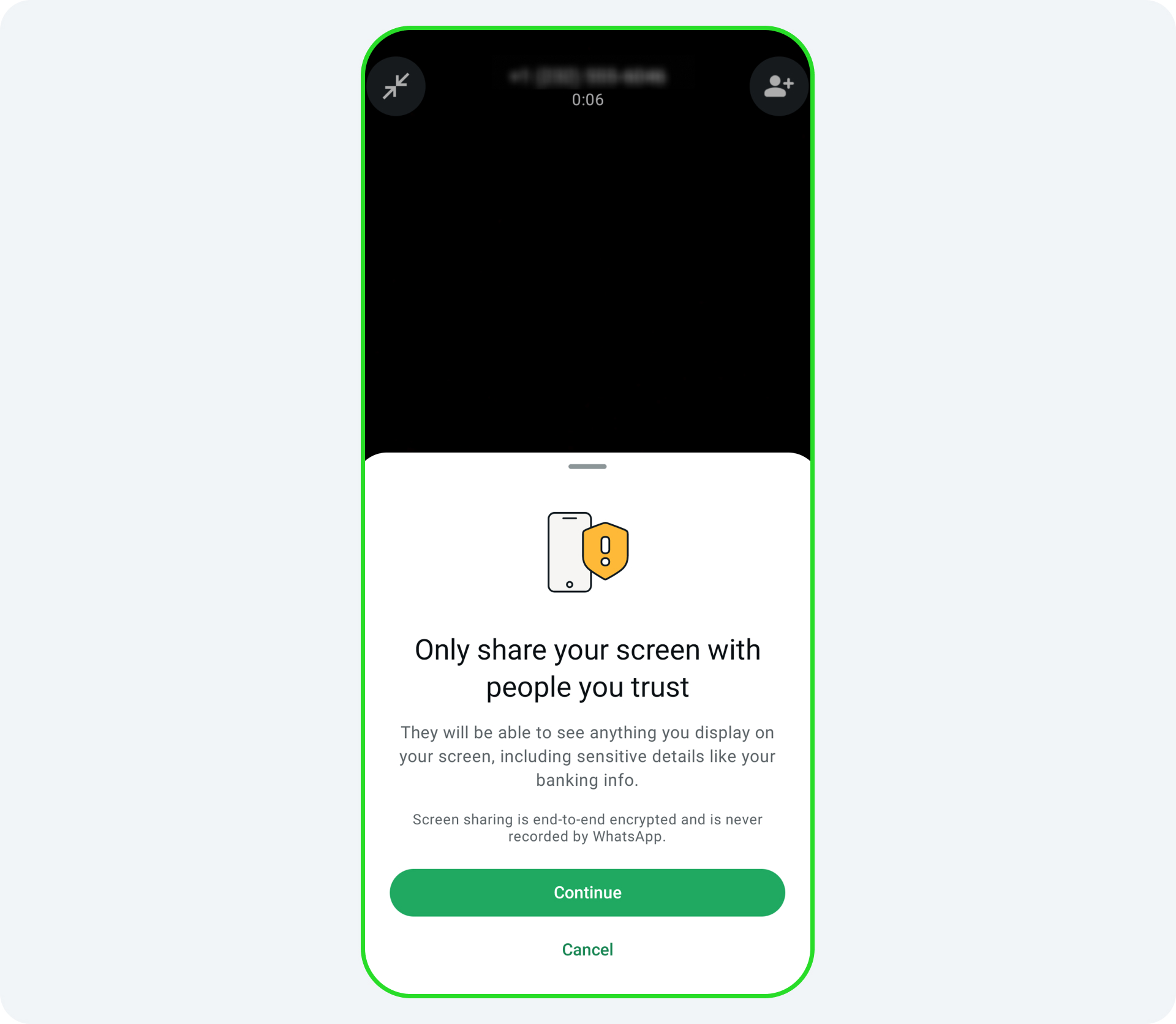
    Enhanced detection features are key to Meta’s response. On WhatsApp, a new warning now alerts users when sharing their screen during video calls with unknown contacts, a common tactic scammers use to extract sensitive details like bank information or verification codes.

    For Messenger, advanced AI-driven scam detection is in testing: it flags potentially fraudulent messages from new contacts, offers to review chats, and provides tips on blocking or reporting. Users receive details on common schemes and recommended actions if a scam is identified.

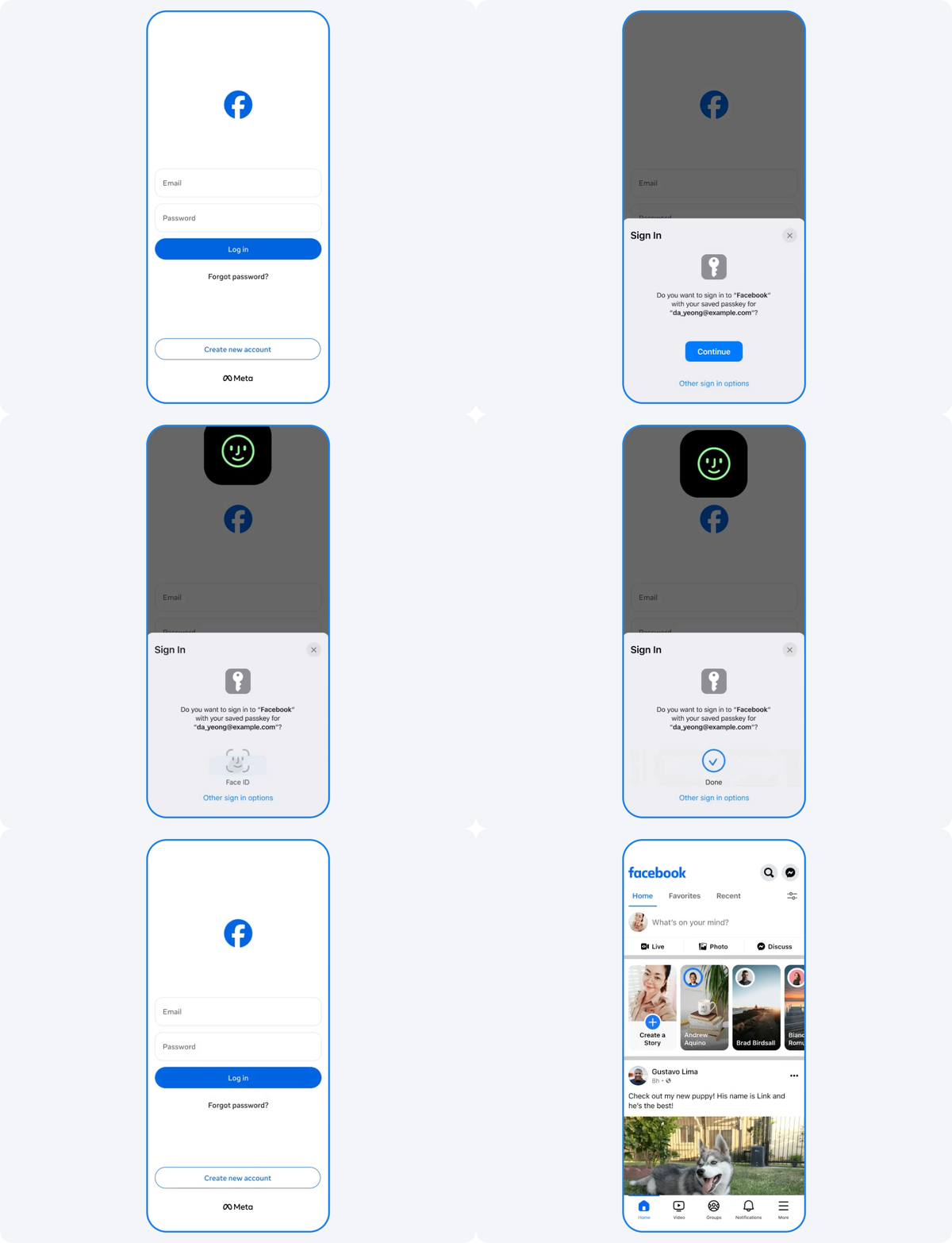
    Meta is also promoting passkeys across Facebook, Messenger, and WhatsApp for seamless, biometric logins using fingerprints, faces, or PINs, reducing reliance on vulnerable passwords.

    Security Checkup on Facebook and Instagram reviews settings and suggests updates, while WhatsApp’s Privacy Checkup helps users manage group invites and other privacy options.

    Beyond tools, Meta shared scam trends uncovered with Graphika researchers. Watch for fake home remodeling or debt relief sites luring seniors with phony government benefits via ads on Facebook and Google.

    Fraudulent “money recovery” services mimic the FBI’s IC3 site, while impostor customer support pages hijack brand comments to push refunds through DMs or forms.

    To stay safe, Meta advises caution with unsolicited messages never share personal or financial data and verifying issues through official channels.

    Families can assist by discussing red flags like urgency or secrecy, and resources from AARP’s Fraud Watch Network or the FTC offer reporting options.

    Meta is deepening collaborations, joining the National Elder Fraud Coordination Center alongside AARP, Amazon, Google, and others to tackle elder fraud through shared intelligence and investigations.

    As part of the Tech Against Scams Coalition, it recently dismantled scam-linked Facebook Groups with Match Group. Globally, initiatives include training Thai seniors on digital literacy and awareness campaigns in Europe and India featuring local creators.

    These efforts underscore Meta’s commitment to evolving defenses against cross-border threats, with ongoing updates to keep users ahead of scammers.

    Follow us on Google News, LinkedIn, and X for daily cybersecurity updates. Contact us to feature your stories.

    The post Meta Launches New Tools to Protect Messenger and WhatsApp Users from Scammers appeared first on Cyber Security News.

    ¶¶¶¶¶

    ¶¶¶¶¶

    ¶¶¶¶¶

    ¶¶¶¶¶

    ¶¶¶¶¶

  • A swarm of Russian drones shut down the electric grid in parts of Ukraine Tuesday, leaving hundreds of thousands without power—a sign of more blackouts to come this winter. Russia has mounted attacks on civilian infrastructure since it first invaded Ukraine in 2022, and such strikes are expected to grow more frequent as temperatures drop in coming weeks and months. 

    What’s new: “Analysts and officials say that this year Moscow has shifted tactics, targeting specific regions and gas infrastructure,” AP reports

    European leaders back White House stance on Ukraine. Leaders from across Europe, including the European Union, Britain, France, Germany, and Ukraine, penned a joint statement Tuesday, calling for a ceasefire and more pressure on Russia’s economy. “We are all united in our desire for a just and lasting peace, deserved by the people of Ukraine. We strongly support President Trump’s position that the fighting should stop immediately, and that the current line of contact should be the starting point of negotiations,” leaders wrote in the statement issued by the British government. “We must ramp up the pressure on Russia’s economy and its defence industry, until Putin is ready to make peace.” Read the statement, here.

    Asia-Pacific

    AUKUS is back on after a monthslong review by the Pentagon sparked uncertainty. President Donald Trump, who earlier this year appeared not to know about the trilateral deal, assuaged concerns about the submarine deal’s future, saying U.S. production was “full steam ahead” during a meeting with Australian Prime Minister Anthony Albanese on Monday. “They’re building magnificent holding pads for the submarines. It’s going to be expensive. You wouldn’t believe the level of complexity and how expensive it is,” Trump said. Australia has committed billions of dollars for the deal and its alliance is considered critical for stability in the Indo-Pacific region. 

    Minerals deal. The White House and Australia also signed a critical minerals deal, agreeing to put up $1 billion together in the next six months, according to a White House summary of the deal. Albanese said Australia has $8.5 billion in the pipeline for the arrangement and about $50 billion in resources are estimated to be recovered, NBC reported

    The rare-earth minerals deal comes ahead of a fraught White House meeting with Chinese President Xi Jinping next week. On Oct. 9, China “announced sweeping new rare earth export controls on Thursday, tightening global access to critical raw materials required for computer chips and defense technology,” as the Washington Post put it. One day later, Trump responded with a threat to levy new 100-percent tariffs on Chinese goods, starting Nov. 1 “or earlier.” 

    Trump also threatened to cancel his meeting with Xi, which could be strained further by Taiwan discussions. But the president insisted to reporters that China wasn’t interested in invading Taiwan, but noted the topic would likely come up, Reuters reported. “China doesn't want to do that,” Trump said, per Politico. “We have the best of everything and nobody is going to mess with that…I think we'll end up with a very strong trade deal. Both of us will be happy.”

    Beijing: Hey, the US is spying on us. China accused the National Security Agency of hacking its sensitive systems that keep standard time for defense, finance, and telecommunications sectors. Read more, here

    Welcome to this Tuesday edition of The D Brief, a newsletter dedicated to developments affecting the future of U.S. national security, brought to you by Bradley Peniston and Lauren C. Williams. It’s more important than ever to stay informed, so thank you for reading. Share your tips and feedback here. And if you’re not already subscribed, you can do that here. This day in 1960 saw the maiden flight of the W2F-1, the prototype for the E-2 Hawkeye carrier-­based airborne early warning aircraft still in service today.

    AI in Europe

    Two European nations embrace AI governance to keep safe. The governments of Estonia and Ukraine are racing ahead to harness artificial intelligence, which they believe is crucial to building societies that can fend off Russian assaults—whether by missiles or denial-of-service attacks, Defense One’s Patrick Tucker reports

    “Estonia knows what it means to live on the digital frontline. AI gives us an advantage that size alone cannot. This is why we have an AI strategy for defense and a Force Transformation Command within the Estonian Defense Forces. With industry, startups, and the military working side by side, we move from idea to field faster,” Estonian Prime Minister Kristen Michal told an audience of international technology executives and government officials. “Russia’s war has made one thing clear: the side that can integrate technology faster has the advantage. Ukraine has shown it. So, while supporting them in every way, we also learn from them.” This means more than buying AI tools and services, he said: it means completely rethinking governmental structure and function. More details, here.

    Around the US

    NNSA furloughs most of its staff. The Trump administration furloughed 1,400 employees of the National Nuclear Security Administration on Monday as payroll funds ran out and the shutdown entered its third week. “About 400 NNSA employees will continue working without pay to secure the nuclear stockpile and maintain minimum safety conditions,” Federal News Network reported Monday. Energy Secretary Chris Wright: “This has never happened before.” Politico has background, here.

    Border relocation. House Democrats want to know why Homeland Security moved key cyber workers to the border. The Monday letter — led by Rep. James Walkinshaw, D-Va., and also signed by Reps. Suhas Subramanyam, D-Va., Eugene Vindman, D-Va., and Shontel Brown, D-Ohio, along with Del. Eleanor Holmes Norton, D-D.C. — argues that DHS violated the Antideficiency Act when it conducted a reduction in force during the government shutdown. The agency has also moved to reassign Cybersecurity and Infrastructure Security Agency staff to roles within Immigration and Customs Enforcement, the Federal Protective Service and Customs and Border Protection. Get the full story here.

    ICYMI: Many communications satellites don’t encrypt their traffic, study finds. Wired: “With just $800 in basic equipment, researchers found a stunning variety of data—including thousands of T-Mobile users’ calls and texts and even US military communications—sent by satellites unencrypted.” Read on, here.

    ]]>

    ¶¶¶¶¶

    ¶¶¶¶¶

    ¶¶¶¶¶

    ¶¶¶¶¶

    ¶¶¶¶¶

  • The Cybersecurity and Infrastructure Security Agency (CISA) has issued a high-priority alert about a critical vulnerability in multiple Apple products.

    Tracked as CVE-2022-48503, this unspecified issue in the JavaScriptCore engine could allow attackers to execute arbitrary code simply by processing malicious web content. The flaw affects macOS, iOS, tvOS, Safari, and watchOS, putting millions of users at risk of remote exploitation.

    First disclosed in 2022, the vulnerability has resurfaced in active attacks, according to CISA’s Known Exploited Vulnerabilities (KEV) catalog. Security researchers note that while Apple patched it in subsequent updates, unpatched or end-of-life (EoL) systems remain prime targets.

    “This isn’t just a relic of the past threat actors are weaponizing old bugs against outdated devices,” said a CISA spokesperson in the advisory.

    The agency emphasized that the vulnerability’s severity stems from its potential for full system compromise, enabling data theft, ransomware deployment, or further malware spread.

    Although no direct ties to ransomware campaigns have been confirmed, the unknown exploitation history underscores the urgency for immediate action.

    Widespread Impact on Apple’s Ecosystem

    The vulnerability’s broad reach spans Apple’s core operating systems and browser. JavaScriptCore, the engine powering Safari and other web rendering in iOS, macOS, tvOS, and watchOS, processes dynamic web elements like scripts and animations.

    An attacker could craft a booby-trapped webpage or email link to trigger the flaw, bypassing traditional defenses. Older devices, such as those running iOS 15 or earlier macOS versions, are particularly vulnerable if they haven’t received updates.

    CISA warns that end-of-service (EoS) products no longer supported by Apple offer no patch path, leaving users exposed indefinitely.

    For cloud-integrated services, CISA references Binding Operational Directive (BOD) 22-01, urging federal agencies and critical infrastructure operators to apply mitigations or retire affected systems.

    Private users face similar risks, especially in hybrid work environments where personal Apple devices handle sensitive data.

    CISA’s directive is clear: Update to the latest vendor-patched versions immediately. Apple released fixes in security updates dating back to early 2023, but users must verify their systems via Settings > General > Software Update.

    If mitigations aren’t feasible, particularly for EoL hardware, the agency advises discontinuing use to avoid exploitation. Network defenders should monitor for anomalous JavaScript activity and enforce endpoint detection rules targeting code execution attempts.

    Recent reports indicate that attacks on Apple platforms are surging by 20% year over year, making staying vigilant non-negotiable. Organizations delaying patches risk cascading breaches, while individuals should prioritize updates to safeguard their digital lives.

    Follow us on Google News, LinkedIn, and X for daily cybersecurity updates. Contact us to feature your stories.

    The post CISA Warns of Apple macOS, iOS, tvOS, Safari, and watchOS Vulnerability Exploited in Attacks appeared first on Cyber Security News.

    ¶¶¶¶¶

    ¶¶¶¶¶

    ¶¶¶¶¶

    ¶¶¶¶¶

    ¶¶¶¶¶

  • Meta on Tuesday said it’s launching new tools to protect Messenger and WhatsApp users from potential scams. To that end, the company said it’s introducing new warnings on WhatsApp when users attempt to share their screen with an unknown contact during a video call so as to prevent them from giving away sensitive information like bank details or verification codes. On Messenger, users can opt to

    ¶¶¶¶¶

    ¶¶¶¶¶

    ¶¶¶¶¶

    ¶¶¶¶¶

    ¶¶¶¶¶

  • Apache Syncope, an open-source identity management system, has been found vulnerable to remote code execution (RCE) through its Groovy scripting feature, as detailed in CVE-2025-57738.

    This flaw affects versions prior to 3.0.14 and 4.0.2, where administrators can upload malicious Groovy code that runs with the full privileges of the Syncope Core process.

    Discovered by security researcher Mike Cole of Mantel Group, the vulnerability stems from the lack of a sandbox environment for Groovy implementations, potentially allowing attackers to compromise entire systems.

    The issue arises because Syncope lets users extend its core functionality via custom Java interfaces, which can be implemented using either Java classes or Groovy scripts for hot-reloading at runtime.

    In vulnerable versions, the GroovyClassLoader compiles and executes these scripts without restrictions, exposing dangerous APIs like Runtime.exec or ProcessBuilder to untrusted input.

    This design choice enables delegated administrators with access to the Implementations and Reports APIs to inject code that performs arbitrary operations on the server.

    Apache Syncope Groovy RCE Vulnerability

    Syncope’s architecture includes an “Implementation” abstraction for custom logic, with Groovy as one supported engine type.

    Without a security manager or deny-list, uploaded Groovy code can directly invoke system-level functions, such as filesystem access or process spawning.

    For instance, attackers can create a Groovy implementation of type REPORT_DELEGATE, bind it to a report, and trigger execution via REST endpoints like POST /syncope/rest/reports/{key}/execute.

    This executes the code under the Syncope service account, which often runs with elevated privileges in enterprise deployments.

    Reproduction involves simple HTTP requests using basic authentication, such as uploading a script that touches a marker file in /tmp to prove execution.

    The vulnerability requires administrative entitlements but does not need pre-authentication, making it a high-risk insider or compromised account threat.

    Execution surfaces include reports, tasks, and connectors, broadening the application’s attack paths. If hardening is weak, attackers could inspect environment variables for secrets, write files, or pivot to container hosts.

    Mapped to MITRE ATT&CK, this aligns with tactics like Valid Accounts (T1078) and Command and Scripting Interpreter (T1059), enabling persistence and evasion.

    Apache has addressed the issue in releases 3.0.14 and 4.0.2 by introducing a Groovy sandbox that blocks hazardous operations through classloading restrictions and policy enforcement.

    Users should upgrade immediately, as binary patches are not provided, and rebuild from the source if needed. To verify the fix, attempt the same exploitation steps; sandbox violations should now log errors without executing code.syncope.

    Disable Groovy engines and favor vetted Java implementations via CI/CD pipelines for interim protection on vulnerable versions.

    Follow us on Google News, LinkedIn, and X for daily cybersecurity updates. Contact us to feature your stories.

    The post Apache Syncope Groovy RCE Vulnerability Let Attackers Inject Malicious Code appeared first on Cyber Security News.

    ¶¶¶¶¶

    ¶¶¶¶¶

    ¶¶¶¶¶

    ¶¶¶¶¶

    ¶¶¶¶¶

  • A severe vulnerability in the popular better-auth library’s API keys plugin enables attackers to generate privileged credentials for any user without authentication.

    Dubbed CVE-2025-61928, the issue affects better-auth, a TypeScript authentication framework downloaded around 300,000 times weekly on npm.

    This flaw could lead to widespread account compromises, particularly for applications relying on API keys for automated access. Better-auth powers authentication for fast-growing startups and major enterprises, including energy giant Equinor.

    Its plugin architecture simplifies adding features like API key management, but a subtle bug in the authorization logic opened the door to exploitation.

    ZeroPath uncovered the vulnerability during scans of third-party dependencies, highlighting risks in authentication libraries that underpin entire application ecosystems.

    Better Auth API Keys Vulnerability

    The problem lies in the createApiKey handler within the plugin. Normally, it derives user context from an active session to enforce security checks.

    However, when a request lacks a session but includes a userId in the body, the code sets an “authRequired” flag to false. This skips critical validations, allowing the handler to fabricate a user object from attacker-supplied data.

    As a result, unauthenticated attackers can POST to the /api/auth/api-key/create endpoint with a target user’s ID, name, and optional privileged fields like rate limits or permissions.

    The response returns a valid API key tied to the victim’s account, bypassing multi-factor authentication and enabling scripted takeovers. The same logic affects update endpoints, amplifying the risk.

    API keys often grant long-lived, elevated privileges for automation, making this vulnerability particularly dangerous. Attackers could impersonate users, access sensitive data, or automate malicious actions across services.

    Only deployments with the API keys plugin are impacted, but given better-auth’s adoption, exposure is significant. To mitigate, upgrade immediately to better-auth version 1.3.26 or later, which fixes the authorization check.

    Rotate all API keys created via the plugin, invalidate unused ones, and audit logs for suspicious unauthenticated requests to create or update endpoints, especially those setting userId or high-privilege values.

    The maintainers patched it swiftly after disclosure on October 2. The advisory (GHSA-99h5-pjcv-gr6v) was published on October 8 via GitHub, and the CVE was assigned the next day.

    Follow us on Google News, LinkedIn, and X for daily cybersecurity updates. Contact us to feature your stories.

    The post Better Auth API keys Vulnerability Let Attackers Create Privileged Credentials For Arbitrary Users appeared first on Cyber Security News.

    ¶¶¶¶¶

    ¶¶¶¶¶

    ¶¶¶¶¶

    ¶¶¶¶¶

    ¶¶¶¶¶

  • A sophisticated vulnerability in Microsoft 365 Copilot (M365 Copilot) that allows attackers to steal sensitive tenant data, including recent emails, through indirect prompt injection attacks.

    The flaw, detailed in a blog post published today by researcher Adam Logue, exploits the AI assistant’s integration with Office documents and its built-in support for Mermaid diagrams, enabling data exfiltration without direct user interaction beyond an initial click.

    The attack begins when a user asks M365 Copilot to summarize a maliciously crafted Excel spreadsheet. Hidden instructions, embedded in white text across multiple sheets, use progressive task modification and nested commands to hijack the AI’s behavior.

    These indirect prompts override the summarization task, directing Copilot to invoke its search_enterprise_emails tool to retrieve recent corporate emails. The fetched content is then hex-encoded and fragmented into short lines to bypass Mermaid’s character limits.

    Microsoft 365 Copilot Data Exfiltration Via Deceptive Diagrams

    Copilot generates a Mermaid diagram, a JavaScript-based tool for creating flowcharts and charts from Markdown-like text that masquerades as a “login button” secured with a lock emoji.

    The diagram includes CSS styling for a convincing button appearance and a hyperlink embedding the encoded email data.

    When the user clicks it, believing it’s needed to access the document’s “sensitive” content, the link directs to the attacker’s server, such as a Burp Collaborator instance. The hex-encoded payload transmits silently, where it can be decoded from server logs.

    Mermaid’s flexibility, including CSS support for hyperlinks, made this vector particularly insidious. Unlike direct prompt injection, where attackers converse with the AI, this method hides commands in benign files like emails or PDFs, making it stealthy for phishing campaigns.

    Adam Logue noted similarities to a prior Mermaid exploit in Cursor IDE, which enabled zero-click exfiltration via remote images, though M365 Copilot required user interaction.

    The payload, after extensive testing, was inspired by Microsoft’s TaskTracker research on detecting “task drift” in LLMs. Despite initial challenges reproducing the issue, Microsoft validated the chain and patched it by September 2025, removing interactive hyperlinks from Copilot’s rendered Mermaid diagrams.

    The discovery timeline shows that there were challenges in coordination. Adam Logue reported the complete situation on August 15, 2025, after discussions with the Microsoft Security Response Center (MSRC) staff at DEFCON.

    After iterations, including video proofs, MSRC confirmed the vulnerability on September 8 and resolved it by September 26. However, M365 Copilot fell outside the bounty scope, denying a reward.

    This incident underscores risks in AI tool integrations, especially for enterprise environments handling sensitive data. As LLMs like Copilot connect to APIs and internal resources, defenses against indirect injections remain critical.

    Microsoft emphasized ongoing mitigations, but experts urge users to verify document sources and monitor AI outputs closely.

    Follow us on Google News, LinkedIn, and X for daily cybersecurity updates. Contact us to feature your stories.

    The post Microsoft 365 Copilot Prompt Injection Vulnerability Allows Attackers to Exfiltrate Sensitive Data appeared first on Cyber Security News.

    ¶¶¶¶¶

    ¶¶¶¶¶

    ¶¶¶¶¶

    ¶¶¶¶¶

    ¶¶¶¶¶

  • Cybersecurity researchers have shed light on the inner workings of a botnet malware called PolarEdge. PolarEdge was first documented by Sekoia in February 2025, attributing it to a campaign targeting routers from Cisco, ASUS, QNAP, and Synology with the goal of corralling them into a network for an as-yet-undetermined purpose. The TLS-based ELF implant, at its core, is designed to monitor

    ¶¶¶¶¶

    ¶¶¶¶¶

    ¶¶¶¶¶

    ¶¶¶¶¶

    ¶¶¶¶¶

  •  A vulnerability in Microsoft 365 Copilot allowed attackers to trick the AI assistant into fetching and exfiltrating sensitive tenant data by hiding instructions in a document. The AI then encoded the data into a malicious Mermaid diagram that, when clicked, sent the stolen information to an attacker’s server. When Microsoft 365 Copilot was asked to […]

    The post Microsoft 365 Copilot Flaw Lets Hackers Steal Sensitive Data via Indirect Prompt Injection appeared first on GBHackers Security | #1 Globally Trusted Cyber Security News Platform.

    ¶¶¶¶¶

    ¶¶¶¶¶

    ¶¶¶¶¶

    ¶¶¶¶¶

    ¶¶¶¶¶