• EclecticIQ analysts assess with high confidence that ShinyHunters is expanding its operations by combining AI-enabled voice phishing, supply chain compromises, and leveraging malicious insiders, such as employees or contractors, who can provide direct access to enterprise networks. ShinyHunters is very likely relying on members of Scattered Spider and The Com to conduct voice phishing attacks […]

    The post New ‘shinysp1d3r’ Ransomware-as-a-Service Targets VMware ESXi in Ongoing Development appeared first on GBHackers Security | #1 Globally Trusted Cyber Security News Platform.

    ¶¶¶¶¶

    ¶¶¶¶¶

    ¶¶¶¶¶

    ¶¶¶¶¶

    ¶¶¶¶¶

  • PureVPN’s Linux clients leak users’ IPv6 addresses when Wi-Fi reconnections or system resumes occur, and also obliterate host firewall rules without restoring them upon disconnect. 

    This undermines privacy guarantees and leaves systems more exposed than before VPN use, with critical failures in the kill-switch and firewall handling modules.

    PureVPN Linux Client Flaws

    Anagogistis stated that during testing on Ubuntu 24.04.3 LTS with kernel 6.8.0 and iptables-nft backend, both PureVPN GUI (v2.10.0) and CLI (v2.0.1) clients demonstrated an inability to reapply IPv6 kill-switch protections after toggling Wi-Fi or resuming from suspend. 

    With the IKS (IPv6 kill-switch) feature enabled, the CLI client automatically reconnects and reports the status as “connected.” However, the system regains a default IPv6 route via Router Advertisements (fe80::1) before the client can reinstate ip6tables rules. 

    Because ip6tables OUTPUT retains its default ACCEPT policy, IPv6 traffic resumes off-tunnel. In GUI mode, the client’s disconnect dialog correctly blocks IPv4 but neglects IPv6, allowing leaks until the user manually clicks Reconnect. 

    In real-world scenarios, this meant that IPv6-preferred websites loaded with the ISP-assigned address and email clients like Thunderbird continued sending SMTP traffic outside the VPN tunnel, despite the interface indicating full protection.

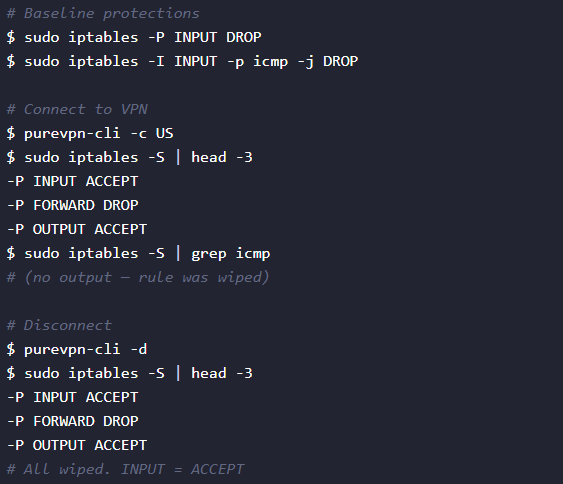
    A second critical flaw is the client’s handling of host firewall rules. At VPN connection, PureVPN wipes existing iptables configurations: the default chain policies are reset to ACCEPT, and all custom and UFW chains, such as Docker jumps or user-defined rules, are flushed, Anagogistis said.

    Upon disconnect, these changes are not reverted, leaving the INPUT and OUTPUT chains set to ACCEPT. The sequence is demonstrated below:

    PureVPN Vulnerability

    After disconnect, no custom rules remain, and SSH, ping, and other traffic are no longer filtered. 

    This behavior contradicts user expectations and defeats local deny-by-default strategies, effectively exposing services and enabling unwanted inbound connections.

    Both issues have practical consequences for privacy-conscious Linux users relying on PureVPN for secure connectivity. 

    Until PureVPN addresses these flaws, users should exercise caution, consider disabling IPv6 at the OS level, and manually manage firewall rules or switch to clients with verified kill-switch reliability.

    Find this Story Interesting! Follow us on Google NewsLinkedIn, and X to Get More Instant Updates.

    The post PureVPN Vulnerability Exposes Users IPv6 Address While Toggling Wi-Fi appeared first on Cyber Security News.

    ¶¶¶¶¶

    ¶¶¶¶¶

    ¶¶¶¶¶

    ¶¶¶¶¶

    ¶¶¶¶¶

  • Lurking in the murky depths of the global marketplace for offensive cyber capabilities sits a particularly dangerous instrument—spyware. Spyware’s danger stems from its acute contribution to human rights abuses and national security risks. Most recently, NSO Group, a notorious spyware vendor known to have contributed to the surveillance of journalists, diplomats, and civil society actors […]

    The post Tracking New Entrants in Global Spyware Markets appeared first on GBHackers Security | #1 Globally Trusted Cyber Security News Platform.

    ¶¶¶¶¶

    ¶¶¶¶¶

    ¶¶¶¶¶

    ¶¶¶¶¶

    ¶¶¶¶¶

  • Insight Partners, a global venture capital and private equity firm, has officially confirmed a significant data breach that exposed personal information of individuals connected to the company. The breach notification reveals sophisticated attack methods and a months-long timeline that has raised serious concerns about data security practices at one of the world’s largest investment firms. […]

    The post Insight Partners Confirms Data Breach Exposing Users’ Personal Data appeared first on GBHackers Security | #1 Globally Trusted Cyber Security News Platform.

    ¶¶¶¶¶

    ¶¶¶¶¶

    ¶¶¶¶¶

    ¶¶¶¶¶

    ¶¶¶¶¶

  • SonicWall has alerted its customers to reset all login credentials after a recent leak exposed firewall configuration backups. The vendor emphasizes three critical stages—containment, remediation, and monitoring—to minimize risk and restore secure access. Users should follow each stage in order, beginning with containment to block further exposure, proceeding to remediation to reset passwords and shared […]

    The post SonicWall Advises Users to Reset Logins After Config Backup Leak appeared first on GBHackers Security | #1 Globally Trusted Cyber Security News Platform.

    ¶¶¶¶¶

    ¶¶¶¶¶

    ¶¶¶¶¶

    ¶¶¶¶¶

    ¶¶¶¶¶

  • Cybersecurity researchers have discovered two new malicious packages in the Python Package Index (PyPI) repository that are designed to deliver a remote access trojan called SilentSync on Windows systems. “SilentSync is capable of remote command execution, file exfiltration, and screen capturing,” Zscaler ThreatLabz’s Manisha Ramcharan Prajapati and Satyam Singh said. “SilentSync also extracts

    ¶¶¶¶¶

    ¶¶¶¶¶

    ¶¶¶¶¶

    ¶¶¶¶¶

    ¶¶¶¶¶

  • A newly discovered phishing campaign is exploiting Facebook’s external URL warning feature to dupe users into handing over their login credentials. By abusing Facebook’s “You’re about to leave Facebook” redirect mechanism, attackers can conceal malicious URLs behind the social media giant’s official domain and graphic style—making the lure appear bona fide even to cautious users. […]

    The post Hackers Target Facebook Accounts in Latest Phishing Attack appeared first on GBHackers Security | #1 Globally Trusted Cyber Security News Platform.

    ¶¶¶¶¶

    ¶¶¶¶¶

    ¶¶¶¶¶

    ¶¶¶¶¶

    ¶¶¶¶¶

  • AI’s growing role in enterprise environments has heightened the urgency for Chief Information Security Officers (CISOs) to drive effective AI governance. When it comes to any emerging technology, governance is hard – but effective governance is even harder. The first instinct for most organizations is to respond with rigid policies. Write a policy document, circulate a set of restrictions, and

    ¶¶¶¶¶

    ¶¶¶¶¶

    ¶¶¶¶¶

    ¶¶¶¶¶

    ¶¶¶¶¶

  • SonicWall has issued an urgent advisory urging all customers to perform an Essential Credential Reset after security researchers discovered that MySonicWall configuration backup files were inadvertently exposed on public storage. 

    The sensitive files contained encrypted passwords, pre-shared keys, and TLS certificates used by SonicOS appliances, potentially allowing threat actors to decrypt and leverage credentials to gain unauthorized network access. 

    SonicWall’s Knowledge Base outlines three critical phases: Containment, Remediation, and Monitoring, to mitigate risk and restore secure operations.

    Lock Down WAN-Facing Management

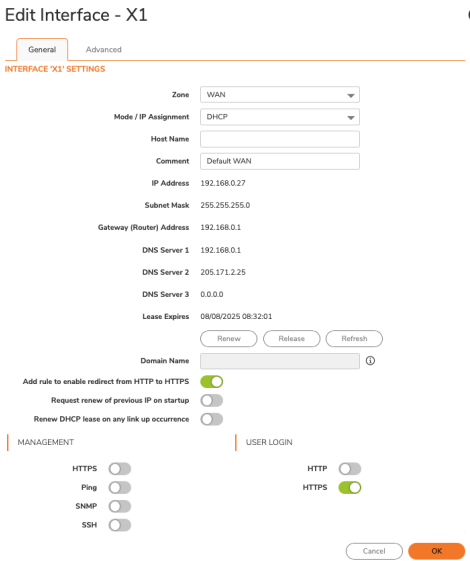
    To immediately reduce exposure, SonicWall recommends disabling or restricting all WAN-based management services before proceeding with password resets. 

    Administrators must navigate to Network → System → Interfaces, edit each WAN interface, and disable HTTP/HTTPS & SSH Management. 

    Disable the HTTPS/SSH Management options

    Disable the HTTPS/SSH Management options

    Similarly, SSL VPN and IPsec VPN services should be turned off by accessing Network → SSL VPN → Server Settings and Network → IPsec VPN → Rules and Settings, respectively. 

    SNMP v3 access must be disabled under Device → Settings → SNMP to prevent unauthorized SNMP GET/SET commands from exposing Engine IDs or community strings. 

    Restricting inbound NAT/Access Rules to known/trusted IP addresses further prevents attackers from reconnecting after credential changes. 

    SonicOS 6.5.5.1 and 7.3.0 feature a dynamic enforcement option that blocks user accounts until a new password is set, ensuring containment remains effective even if WAN restrictions cannot be fully applied.

    Credential Reset

    Key actions include resetting passwords for all Local Users and re-enrolling TOTP bindings. 

    Administrators must update bind account passwords on LDAP, RADIUS, and TACACS+ servers, rotating shared secrets with SHA-256-hashed values. 

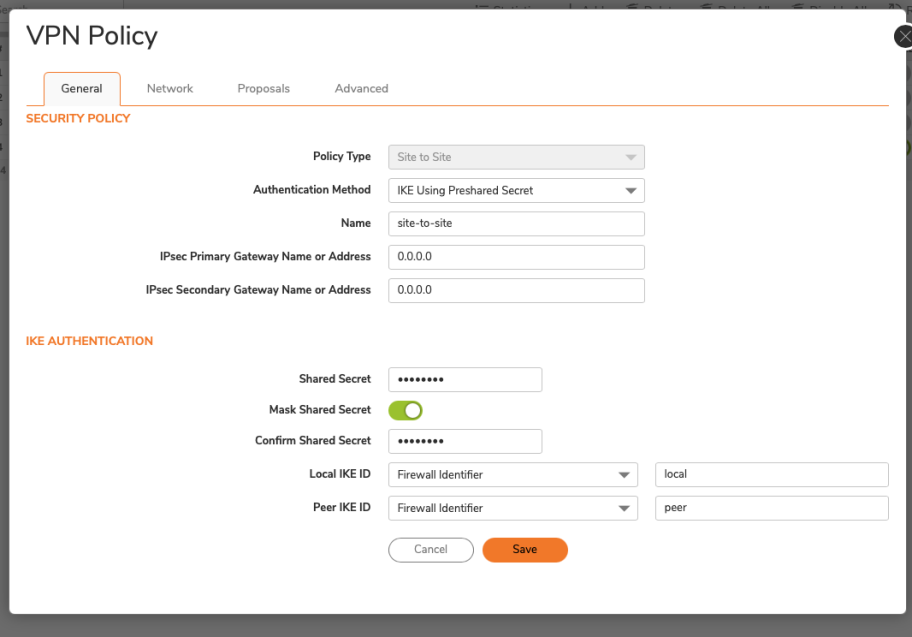
    Rotate shared secrets

    Rotate shared secrets

    All IPsec VPN pre-shared keys—used for both site-to-site tunnels and GroupVPN require replacement with new AES-256 encrypted secrets, with corresponding updates on remote gateways. 

    WAN interface credentials for L2TP/PPPoE/PPTP and cellular WWAN must be refreshed in coordination with ISPs. Dynamic DNS, Clearpass NAC, and email log automation accounts should have their passwords reset to avoid delivery failures. 

    Finally, update encryption keys in the Global Management System (GMS) IPSec Management Tunnel mode under Device → Settings → Administration, reads the Knowledge base.

    After remediation, re-enable services gradually, verifying each with a successful login test and SSH key rotation. Customers relying on automated workflows are reminded to update scripts referencing the old credentials.

    Continuous monitoring of the system and audit logs is essential. Administrators should review Monitor → Logs → System Logs and Audit Logs, filtering for repeated authentication failures or anomalies in configuration changes. 

    Export logs to CSV for detailed analysis, and leverage SIEM integrations using Syslog over TLS 1.2 to ensure secure forwarding. 

    Following these steps will safeguard SonicWall environments against exploitation of exposed configuration backups and reinforce the integrity of network perimeter defenses.

    Find this Story Interesting! Follow us on Google NewsLinkedIn, and X to Get More Instant Updates.

    The post SonicWall Urges Customers to Reset Login Credentials After Configuration Backup Files Exposed appeared first on Cyber Security News.

    ¶¶¶¶¶

    ¶¶¶¶¶

    ¶¶¶¶¶

    ¶¶¶¶¶

    ¶¶¶¶¶

  • The notorious Everest ransomware group has reportedly added Bayerische Motoren Werke AG (BMW) to its list of high-profile targets, alleging the theft of a trove of critical internal documents from the German automotive manufacturer.

    According to information surfaced this week, Everest claims to have exfiltrated a staggering 600,000 lines of sensitive internal data from BMW, now using the threat of public exposure as leverage for ransom negotiations.

    Everest, known for targeting organizations across multiple sectors, displayed BMW on its leak site alongside a countdown timer indicating the limited window available for negotiations before confidential files are released to the public.

    The site features sections titled “Critical BMW Audit Documents” and urgent instructions for BMW representatives, stressing the urgency by listing time-sensitive deadlines for accessing the stolen materials.

    BMW Allegedly Breached
    Countdown

    The prominent inclusion of BMW on the Everest portal has already drawn widespread attention within both cybersecurity and automotive communities.

    The gang is leveraging intimidation tactics, stating that the “recording will be available through” a countdown clock, a common method used by ransomware operators to pressure victim organizations into meeting their demands swiftly.

    The evidence provided by the Everest group reportedly includes references to internal audit files and communications, but the authenticity and full scope of the stolen documents have not yet been independently verified.

    The alleged data haul of 600,000 lines signals a significant compromise, potentially exposing financial records, audit reports, engineering documentation, and other confidential corporate information.

    Threat analysts monitoring the situation caution that the leak could not only affect BMW’s internal operations but also pose broader risks to partners, suppliers, and customers if sensitive data is published or sold on underground forums.

    Ransomware attacks targeting the automotive sector have escalated in 2025, reflecting adversaries’ growing interest in complex supply chains and high-value intellectual property.

    BMW has yet to release an official statement regarding the incident, and it remains unclear whether the company has entered negotiations with Everest or informed regulatory authorities about the alleged breach.

    Security experts urge companies to avoid direct ransom payments, work closely with law enforcement, and prioritize proactive vulnerability management.

    The Everest ransomware group’s claim against BMW, if substantiated, marks another troubling milestone in the ongoing battle against cyber extortion.

    As investigations continue, industry observers await further confirmation of the breach’s impact and potential mitigation steps taken by the automotive giant.

    Find this Story Interesting! Follow us on Google NewsLinkedIn, and X to Get More Instant Updates.

    The post BMW Allegedly Breached by Everest Ransomware Group and Stolen Internal Documents appeared first on Cyber Security News.

    ¶¶¶¶¶

    ¶¶¶¶¶

    ¶¶¶¶¶

    ¶¶¶¶¶

    ¶¶¶¶¶