• A sophisticated new Mac malware campaign has emerged, targeting users through a deceptive PDF conversion website that conceals a dangerous two-stage payload.

    The malware, dubbed “JSCoreRunner,” represents a significant evolution in macOS threats, demonstrating how cybercriminals are adapting their techniques to bypass Apple’s security measures while maintaining zero detection rates on major security platforms.

    The threat operates through fileripple[.]com, a fraudulent website that masquerades as a legitimate PDF conversion service.

    Users visiting the site are prompted to download what appears to be a helpful utility called “FileRipple.pkg,” which creates the illusion of a genuine PDF tool by launching a fake webview interface.

    This sophisticated deception allows the malware to execute its malicious activities silently while users believe they are interacting with a legitimate application.

    9to5Mac analysts identified this campaign as particularly concerning due to its zero-day status at the time of discovery.

    The malware had achieved complete evasion across all security vendors on VirusTotal, highlighting the advanced nature of this threat and the challenges facing traditional detection methods.

    The malware’s primary objective centers on browser hijacking, specifically targeting Google Chrome installations on infected systems.

    JSCoreRunner systematically traverses the ~/Library/Application Support/Google/Chrome/ directory to locate both default and additional user profiles, then manipulates search engine configurations through TemplateURL object modifications.

    Two-Stage Infection Mechanism

    The JSCoreRunner campaign employs a carefully orchestrated two-stage deployment strategy designed to circumvent macOS security controls.

    The initial stage involves a signed package that was deliberately crafted to appear legitimate, though Apple subsequently revoked the developer’s signature.

    This revocation triggers macOS Gatekeeper to block the first-stage package, creating a false sense of security for users who might assume the threat has been neutralized.

    However, the second stage, “Safari14.1.2MojaveAuto.pkg,” operates as an unsigned payload that downloads directly from the same compromised domain.

    This unsigned nature allows it to bypass Gatekeeper’s default blocking mechanisms, as macOS typically focuses signature validation on initially downloaded packages rather than subsequently fetched components.

    Upon successful installation, the malware establishes persistence by modifying Chrome’s search engine settings, redirecting users to fraudulent search engines while hiding crash logs and session restoration prompts to maintain stealth operations.

    Boost your SOC and help your team protect your business with free top-notch threat intelligence: Request TI Lookup Premium Trial.

    The post New Mac Malware Dubbed ‘JSCoreRunner’ Weaponizing PDF Conversion Site to Deliver Malware appeared first on Cyber Security News.

    ¶¶¶¶¶

    ¶¶¶¶¶

    ¶¶¶¶¶

    ¶¶¶¶¶

    ¶¶¶¶¶

  • TransUnion, one of the nation’s three major credit reporting agencies, has disclosed a significant data breach that exposed the personal information of more than four million U.S. customers.

    The company is now alerting affected individuals about the cyber incident, which involved unauthorized access to data stored on a third-party application.

    On July 28, 2025, TransUnion LLC confirmed a sophisticated cyber intrusion that compromised the personal data of over 4.4 million consumers. 

    The unauthorized access, detected on July 30, 2025, targeted TransUnion’s consumer reporting systems and exposed sensitive Personally Identifiable Information (PII)

    Key Takeaways
    1. 4.4M+ PII records exposed in a July 28 SQL-injection breach.
    2. MFA, segmentation, forensics, and notifications deployed.
    3. Two years of free myTrueIdentity™ credit monitoring provided.

    Over 4 Million Individuals’ PII Stolen

    According to the Maine office filing, the breach affected 4,461,511 individuals nationwide, including 16,828 residents of Maine. 

    The breach targeted an application used for the company’s U.S. consumer support operations. While the intrusion compromised sensitive personal data, TransUnion has assured its customers that the accessed information did not include credit reports or core credit information.

    The compromised data elements included full names, Social Security numbers, dates of birth, and driver’s license numbers, constituting a classic PII aggregation that heightens the risk of identity theft and financial fraud.

    The breach was discovered on August 15, 2025, after the company’s cybersecurity team detected suspicious activity on its network. An internal investigation, conducted in collaboration with a leading cybersecurity firm, revealed that an unauthorized third party had gained access to the system for a period of two weeks in late July.

    “We take our responsibility to protect consumer data very seriously,” said a TransUnion spokesperson in a statement released Friday. “We have taken immediate steps to secure the application and are working with law enforcement to investigate this matter. We are committed to supporting our customers and have begun the process of notifying all affected individuals.”

    TransUnion is offering two years of free credit monitoring and identity theft protection services to all impacted customers. The notification letters will include instructions on how to enroll in these services. The company has also set up a dedicated call center to answer customer questions and has posted an FAQ on its website.

    TransUnion issued written Data Breach Notifications to all affected consumers on August 26, 2025, in compliance with state and federal regulations.

    Find this Story Interesting! Follow us on LinkedIn and X to Get More Instant Updates.

    The post TransUnion Hack Exposes 4M+ Customers Personal Information appeared first on Cyber Security News.

    ¶¶¶¶¶

    ¶¶¶¶¶

    ¶¶¶¶¶

    ¶¶¶¶¶

    ¶¶¶¶¶

  • DPRK IT workers have leveraged popular code-sharing platforms such as GitHub, CodeSandbox, and Medium to cultivate convincing developer portfolios and land remote positions under fabricated identities. Investigations reveal approximately 50 active GitHub profiles operated by North Korean actors, supplemented by dozens of profiles across niche freelancing and forum sites. These operatives employ deepfake profile photos, […]

    The post DPRK Remote Work Tactics: Leveraging Code-Sharing Platforms appeared first on GBHackers Security | #1 Globally Trusted Cyber Security News Platform.

    ¶¶¶¶¶

    ¶¶¶¶¶

    ¶¶¶¶¶

    ¶¶¶¶¶

    ¶¶¶¶¶

  • Emerging in mid-2025, a sophisticated campaign attributed to the Silver Fox APT has begun exploiting a previously unreported vulnerable driver to compromise modern Windows environments.

    This campaign leverages the WatchDog Antimalware driver (amsdk.sys, version 1.0.600), a Microsoft-signed component built on the Zemana Anti-Malware SDK.

    Vulnerable valid-signed WatchDog Antimalware Driver (Source – Check Point)

    By abusing its arbitrary process termination capability, threat actors bypass endpoint detection and response (EDR) and antivirus (AV) protections on fully patched Windows 10 and 11 systems without triggering signature-based defenses.

    Initial stages of the attack involve deploying a self-contained loader that embeds multiple drivers and anti-analysis layers.

    Infected machines receive a loader binary that first performs checks against virtual machines, sandboxes, and known analysis environments.

    Once these checks pass, the loader drops two drivers—one legacy Zemana-based driver for compatibility with older systems, and the newer WatchDog Antimalware driver for modern targets—into a newly created C:\Program Files\RunTime directory.

    Check Point researchers noted that both drivers are then registered as kernel services: the legacy driver under ZAM.exe for Windows 7, and amsdk.sys for Windows 10/11.

    The loader’s “Termaintor” service ensures persistence for the executed loader stub, while Amsdk_Service facilitates driver loading.

    Following driver registration, the campaign’s custom EDR/AV killer logic opens a handle to the vulnerable driver’s device namespace (\\.\amsdk) and issues IOCTL calls to register the malicious process and terminate protected security service processes.

    The termination routine reads from a Base64-encoded process list of over 190 entries—spanning popular antivirus and endpoint protection services—and sends IOCTL_TERMINATE_PROCESS commands via DeviceIoControl to eliminate running defenses.

    Process termination (Source – Check Point)

    By abusing the driver’s lack of a FILE_DEVICE_SECURE_OPEN flag and missing PP/PPL checks, Silver Fox achieves reliable AV evasion.

    Check Point analysts identified that after terminating security processes, the loader decodes and injects a UPX-packed ValleyRAT downloader module into memory.

    This module connects to Chinese-hosted C2 servers, decrypts configuration traffic using a simple XOR cipher, and fetches the final ValleyRAT backdoor payload.

    ValleyRAT (“Winos”) offers full remote access capabilities including command execution and data exfiltration, confirming the campaign’s attribution to Silver Fox.

    Detection Evasion through Signed-Driver Manipulation

    Although WatchDog released a patched driver (wamsdk.sys, version 1.1.100) following disclosure, Silver Fox quickly adapted by flipping a single byte within the unauthenticated attributes of the driver’s signature timestamp.

    This subtle modification preserved the Microsoft Authenticode signature while generating a new file hash, effectively bypassing hash-based blocklists without altering signature validity.

    The altered driver is then seamlessly loaded on target systems, continuing the exploitation cycle.

    This technique underscores a broader trend: adversaries weaponizing legitimate, signed drivers and manipulating timestamp countersigns to evade both static and behavior-based detection mechanisms.

    Boost your SOC and help your team protect your business with free top-notch threat intelligence: Request TI Lookup Premium Trial.

    The post Silver Fox APT Hackers Leveraging Vulnerable driver to Attack Windows 10 and 11 Systems by Evading EDR/AV appeared first on Cyber Security News.

    ¶¶¶¶¶

    ¶¶¶¶¶

    ¶¶¶¶¶

    ¶¶¶¶¶

    ¶¶¶¶¶

  • A sophisticated supply chain attack has compromised the popular Nx build platform, affecting millions of weekly downloads and resulting in widespread credential theft. 

    The attack, dubbed “s1ngularity,” represents one of the most comprehensive credential harvesting campaigns targeting the developer ecosystem in 2025.

    GitGuardian observed that malicious actors infiltrated multiple Nx package versions (20.9.0 through 21.8.0) on the npm registry, injecting credential-stealing malware that systematically scanned infected development environments. 

    Key Takeaways
    1. Nx build platform compromised with malware stealing developer credentials.
    2. First attack exploiting AI tools for credential harvesting, though many AI clients resisted.
    3. 2,349+ secrets stolen via GitHub repositories; 50% remained valid despite cleanup efforts.

    The attack demonstrates an evolution in supply chain tactics, combining traditional credential theft with novel attack vectors targeting AI development tools and employing GitHub repositories as exfiltration infrastructure.

    Credential-Harvesting Malware Targeting Developers

    The malicious payload implemented a comprehensive credential harvesting mechanism that scanned infected systems for multiple types of sensitive data. 

    The malware targeted GitHub personal access tokens, npm authentication keys, SSH private keys, AWS credentials, environment variable API keys, and cryptocurrency wallet files. 

    The scanning routines employed sophisticated file system traversal techniques, examining common configuration directories including ~/.ssh/, ~/.aws/, and various application-specific credential storage locations.

    The harvested credentials underwent a distinctive double-base64 encoding process before exfiltration. 

    This encoding scheme (echo $data | base64 | base64) served dual purposes: evading basic detection mechanisms while maintaining data integrity during transmission. 

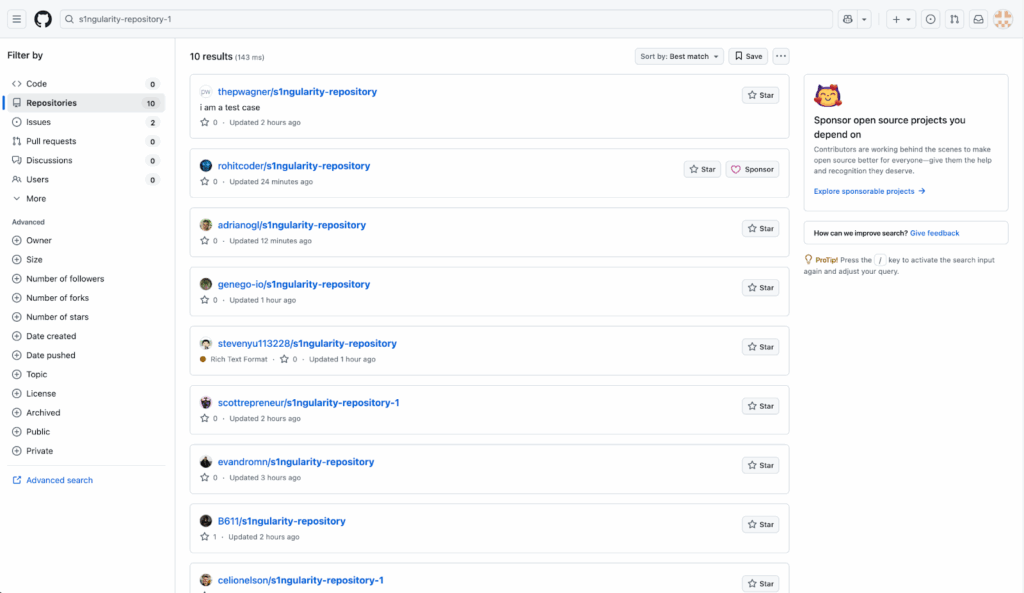
    The encoded payloads were then exfiltrated to public GitHub repositories following a predictable naming convention: “s1ngularity-repository-[random-string]”, each containing a single “results.b64” file with the encoded stolen data.

    Analysis of the attack infrastructure reveals that the malware also implemented destructive capabilities, modifying users’ shell startup files (~/.bashrc and ~/.zshrc) with shutdown commands that would crash systems upon opening new terminal sessions, according to GitGuardian.

    This secondary payload suggests the attack combined both data theft and system disruption objectives.

    Targeting AI Development Tools

    A particularly innovative aspect of the s1ngularity attack was its focus on Large Language Model (LLM) client configurations. 

    The malware specifically enumerated authentication tokens and configuration files for popular AI CLI tools including Claude, Gemini, and Q (Amazon’s AI assistant). 

    This targeting strategy reflects the attackers’ understanding that AI development tools often require elevated permissions and access to sensitive development environments.

    The malware attempted to leverage LLM clients as enumeration vectors by crafting prompts designed to inventory system files and extract credential information. 

    However, analysis reveals that many AI clients demonstrated unexpected defensive behavior, with only 26% (95 out of 366 targeted systems) actually executing the malicious enumeration commands. 

    Many LLM clients explicitly refused requests that appeared to be credential harvesting attempts, potentially representing an unintentional but valuable security control in modern development environments.

    The attack demonstrated remarkable reach across the developer ecosystem, with 85% of infected systems running macOS, highlighting the campaign’s particular impact on the Apple-dominant developer community. 

    Of the compromised systems analyzed, 33% had at least one LLM client installed, validating the attackers’ strategy of targeting this emerging attack surface.

    Exfiltration repositories

    Exfiltration repositories

    GitGuardian’s monitoring infrastructure provided unique visibility into the ephemeral exfiltration repositories, detecting 1,346 repositories containing the “s1ngularity-repository” string, despite GitHub listing only approximately ten active repositories at the time of analysis. 

    This discrepancy indicates rapid repository deletion cycles and ongoing infections from developers continuing to use compromised package versions. 

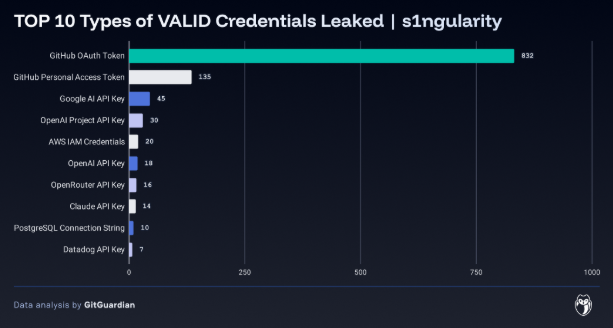
    The analysis identified 2,349 distinct secrets across these repositories, with 1,079 repositories containing at least one leaked credential. 

    Critically, approximately 50% of these credentials remained valid at the time of discovery, indicating significant delays in credential revocation processes.

    Find this Story Interesting! Follow us on LinkedIn and X to Get More Instant Updates.

    The post Nx Packages With Millions of Weekly Downloads Hacked With Credential Stealer Malware appeared first on Cyber Security News.

    ¶¶¶¶¶

    ¶¶¶¶¶

    ¶¶¶¶¶

    ¶¶¶¶¶

    ¶¶¶¶¶

  • Cybercriminals are increasingly turning their sights from desktop to mobile, exploiting Meta’s advertising platform to distribute a sophisticated Android banking trojan disguised as a free TradingView Premium app. Bitdefender Labs warns that these threat actors have shifted tactics after months of targeting Windows users with fake trading and cryptocurrency ads, now focusing worldwide on smartphone […]

    The post Threat Actors Use Facebook Ads to Deliver Android Malware appeared first on GBHackers Security | #1 Globally Trusted Cyber Security News Platform.

    ¶¶¶¶¶

    ¶¶¶¶¶

    ¶¶¶¶¶

    ¶¶¶¶¶

    ¶¶¶¶¶

  • Google has revealed that the recent wave of attacks targeting Salesforce instances via Salesloft Drift is much broader in scope than previously thought, stating it impacts all integrations. “We now advise all Salesloft Drift customers to treat any and all authentication tokens stored in or connected to the Drift platform as potentially compromised,” Google Threat Intelligence Group (GTIG) and

    ¶¶¶¶¶

    ¶¶¶¶¶

    ¶¶¶¶¶

    ¶¶¶¶¶

    ¶¶¶¶¶

  • A sophisticated new Mac malware campaign has emerged that exploits users’ trust in free online PDF conversion tools, demonstrating how cybercriminals continue to evolve their tactics to bypass modern security measures. Cybersecurity firm Mosyle has exclusively disclosed the discovery of JSCoreRunner, a previously unknown Mac malware strain that achieved zero detections on VirusTotal at the […]

    The post Mac Malware ‘JSCoreRunner’ Abuses Online PDF Tool to Spread appeared first on GBHackers Security | #1 Globally Trusted Cyber Security News Platform.

    ¶¶¶¶¶

    ¶¶¶¶¶

    ¶¶¶¶¶

    ¶¶¶¶¶

    ¶¶¶¶¶

  • A sophisticated campaign by the Silver Fox APT group that exploits a previously unknown vulnerable driver to bypass endpoint detection and response (EDR) and antivirus solutions on fully updated Windows 10 and 11 systems. Check Point Research (CPR) revealed on August 28, 2025, that the advanced persistent threat group has been leveraging the WatchDog Antimalware […]

    The post Silver Fox Hackers Use Driver Vulnerability to Evade Security on Windows Systems appeared first on GBHackers Security | #1 Globally Trusted Cyber Security News Platform.

    ¶¶¶¶¶

    ¶¶¶¶¶

    ¶¶¶¶¶

    ¶¶¶¶¶

    ¶¶¶¶¶

  • A sophisticated phishing campaign has been identified, where threat actors impersonate IT helpdesk personnel through Teams’ external communication features, exploiting the platform’s default configuration to bypass traditional email security measures and gain unauthorized screen-sharing and remote-control capabilities.

    The attacks leverage Teams’ external collaboration features, which are enabled by default in Microsoft 365 tenants, allowing attackers to initiate contact with organizational users without prior authentication. 

    Key Takeaways
    1. Default Teams settings enable direct IT helpdesk impersonation attacks, bypassing email security.
    2. Voice calls avoid security warnings, leading to screen sharing and remote access.
    3. Monitor ChatCreated/MessageSent logs for external .onmicrosoft.com domains.

    This fundamental design choice has created an unprecedented attack surface that combines social engineering with legitimate platform functionality to devastating effect.

    Voice Call Phishing and Remote Control 

    According to Axon Team reports, Cybercriminals have developed multiple sophisticated attack vectors within the Microsoft Teams ecosystem, each exploiting different aspects of the platform’s communication capabilities. 

    The primary attack method involves one-on-one chat phishing, where attackers use compromised Teams accounts or create malicious Entra ID tenants with .onmicrosoft.com domains – Microsoft’s default fallback domains for business accounts without custom domain configurations.

    The technical implementation begins with threat actors conducting reconnaissance through Teams’ user search functionality, which allows external users to verify target email addresses and confirm message delivery capabilities. 

    When successful, attackers can initiate direct communication, though Microsoft has implemented security warnings, including “external communication warning” pop-ups and “potential phishing warning messages” that appear based on algorithmic threat detection.

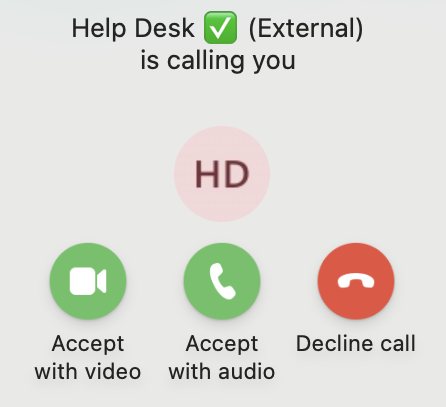
    However, attackers have discovered methods to circumvent these security measures through voice call phishing (vishing). 

    Fake IT Helpdesk calling victim within Microsoft Teams
    Fake IT Helpdesk calling victim within Microsoft Teams

    Unlike text-based communications, voice calls from external Teams users generate no warning pop-ups, creating a seamless attack vector. 

    Once trust is established through voice communication, attackers request screen sharing permissions, enabling them to observe victim activities and potentially guide them through malicious actions.

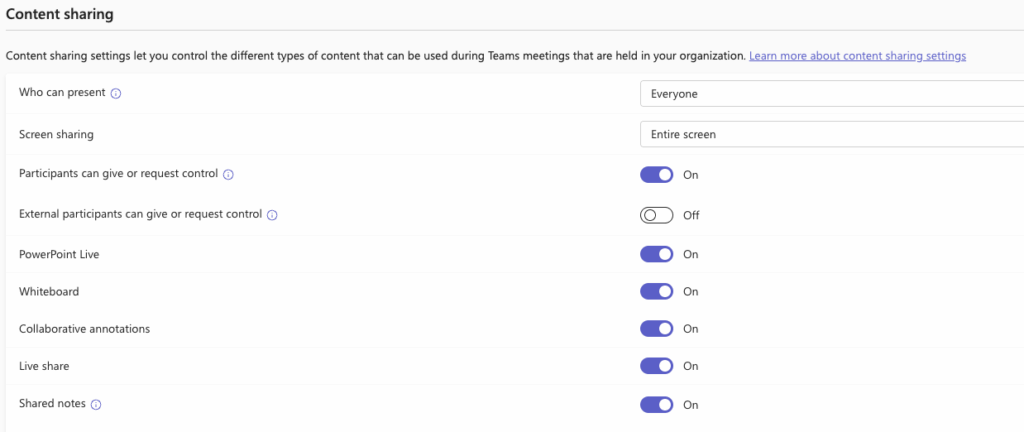
    Content sharing configuration on Microsoft Teams
    Content sharing configuration on Microsoft Teams

    The most concerning development involves remote control capabilities. While Microsoft has implemented security controls that disable the “Give Control” and “Request Control” options by default for external participants, organizations that have modified these settings face significant exposure, according to the Axon Team. 

    Attackers can potentially gain full remote access to victim workstations through Teams’ integrated remote control features, eliminating the need for traditional Remote Monitoring and Management (RMM) tools like QuickAssist or AnyDesk.

    Detection Methodologies

    Security teams can identify these attacks through specific Microsoft 365 audit log entries that serve as digital forensic artifacts. 

    The primary indicators include ChatCreated events that establish new “OneOnOne” chats between attackers and victims, containing crucial metadata including Chat Thread IDs, sender display names, email addresses, and Organization IDs for both parties.

    MessageSent logs complement ChatCreated entries by providing sender IP addresses and embedded URL information, though message content itself is not logged. 

    Additional forensic indicators include UserAccepted events when victims click “Accept” buttons in external sender pop-ups, and TeamsImpersonationDetected events triggered by Microsoft’s brand impersonation detection algorithms.

    Advanced threat hunting requires monitoring for specific M365 audit log patterns, including ChatCreated operations with participant_info:has_foreign_tenant_users = true and communication_type = “OneOnOne” parameters. 

    As threat actors continue refining these techniques, organizations must implement comprehensive monitoring of Teams audit logs, user education programs focused on IT helpdesk impersonation tactics, and restrictive external communication policies to mitigate this evolving threat landscape.

    Find this Story Interesting! Follow us on LinkedIn and X to Get More Instant Updates.

    The post Hackers Exploit Microsoft Teams, Posing as IT Help Desk for Screen Sharing and Remote Access appeared first on Cyber Security News.

    ¶¶¶¶¶

    ¶¶¶¶¶

    ¶¶¶¶¶

    ¶¶¶¶¶

    ¶¶¶¶¶